Top 10 Driving Safety Tips to Complement Your GPS Guidance
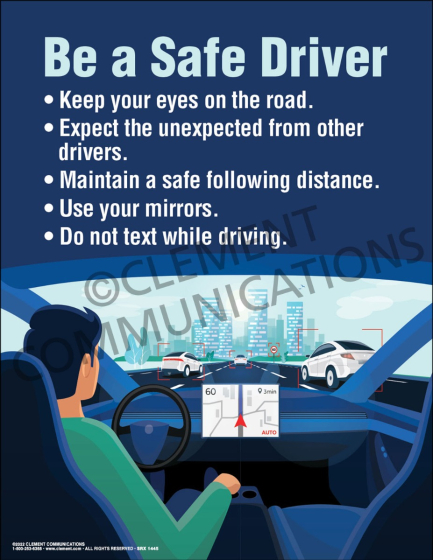
While GPS devices and apps have revolutionized the way we navigate, they should never replace fundamental driving safety tips that every driver should keep in mind. First and foremost, always ensure that your seatbelt is fastened before hitting the road. This simple step significantly reduces the risk of serious injury in the event of an accident. Additionally, familiarize yourself with local traffic rules and regulations, as they may vary from place to place. Here’s a quick checklist of important safety tips to follow in conjunction with your GPS:
- Always check your mirrors and blind spots.
- Maintain a safe following distance.
- Use turn signals appropriately.
- Stay alert and avoid distractions.
Another key aspect of driving safety is to be prepared for unexpected road conditions. Before starting your journey, ensure your vehicle is in good working condition, including tires, brakes, and lights. Regular maintenance plays a crucial role in your safety on the road. If your GPS provides directions that seem unusual, trust your instincts and use your judgement; sometimes, the quickest route isn't the safest. Additionally, if you encounter adverse weather conditions, such as rain, fog, or snow, adjust your driving accordingly by reducing speed and increasing following distances. Remember, safe driving is not just about reaching your destination, but doing so without putting yourself or others at risk.
Counter-Strike is a popular first-person shooter that has shaped the landscape of competitive gaming. Players engage in team-based gameplay, where one team attempts to complete objectives while the other team tries to thwart them. The strategic depth and fast-paced action have kept players invested over the years, making it a staple in the esports scene. For gamers who love convenience while playing, check out the Top 10 Android Car Mounts to enhance your gaming experience on the go.
How to Use Your GPS Safely: Navigating Distractions on the Road
Modern technology has made navigation easier than ever with GPS devices and apps. However, using these tools safely is crucial to prevent unnecessary distractions while driving. First and foremost, before starting your journey, program your GPS to ensure that you have a clear route mapped out. This step minimizes the need to fiddle with the device while you’re on the road. Additionally, it is advisable to choose a destination that is already saved or familiar, as this can help keep your focus on driving instead of constantly glancing at the screen.
While driving, if you need to make adjustments to your GPS, it’s best to pull over to a safe location rather than attempting to do so on the go. Engaging in behaviors like looking at notifications or responding to messages while driving can significantly divert your attention away from the road. Implementing these safety measures not only keeps you safe but also helps in enhancing the overall driving experience. Remember, your safety and the safety of others on the road should always come first.
Why Common Sense Matters More Than GPS: Real-Life Driving Scenarios
In an age where technology, including GPS, guides our daily travels, it's crucial to remember that common sense often plays a more significant role in safe driving. For instance, consider a scenario where your GPS indicates a shortcut through a neighborhood that might be unfamiliar. While it may seem appealing to save a few minutes, if that route includes a high pedestrian traffic area or poorly lit roads, relying solely on your GPS could lead to dangerous outcomes. Using common sense to evaluate the safety of alternate routes can prevent accidents and ensure a smoother journey.
Another real-life scenario where common sense surpasses GPS reliance is during adverse weather conditions. Imagine driving in heavy rain or snow, where visibility and road conditions change rapidly. Your GPS might suggest maintaining a certain speed or following its route without accounting for the current situation. In such cases, relying on your intuitive judgment—slowing down, avoiding risky maneuvers, or even pulling over if necessary—demonstrates the unmatched value of common sense in ensuring road safety. Ultimately, while technology is a helpful tool, it's our own judgment that keeps us secure on the road.