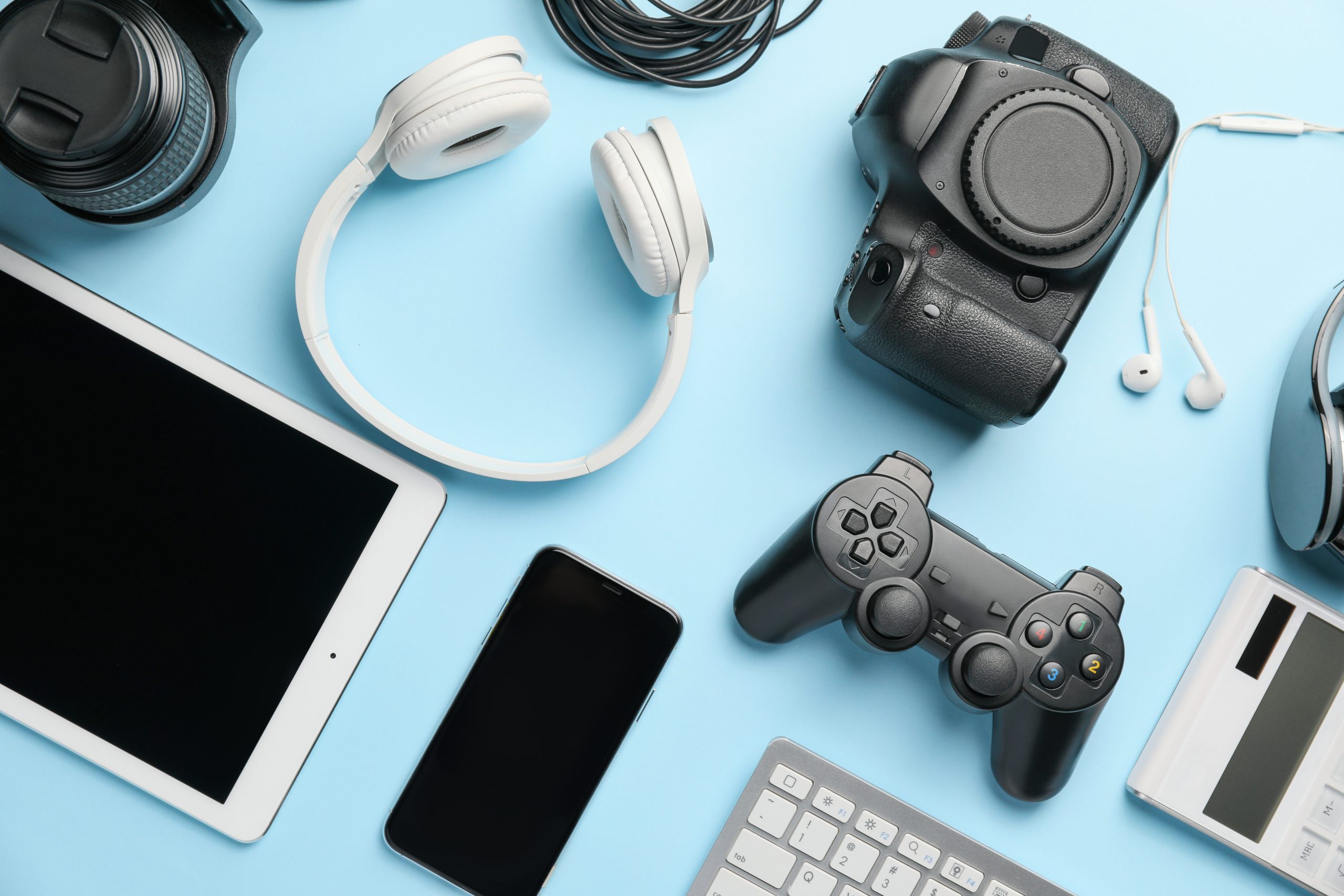
Exploring Minimalism: How Simple Designs Are Revolutionizing Technology
Minimalism in design is more than just a trend; it represents a profound shift in how technology interacts with our daily lives. By stripping away unnecessary features and focusing on the essentials, designers are creating user experiences that are not only aesthetically pleasing but also highly functional. This approach prioritizes simplicity, allowing users to navigate complex technologies with ease. For instance, brands like Apple have embraced minimalist design, leading to products that resonate with consumers seeking clarity and purpose in their tools. The reduction of clutter in interfaces also leads to enhanced performance, making technology more accessible to a wider audience.
As we explore the landscape further, it is evident that simple designs are revolutionizing the technology sector. Whether through intuitive apps or sleek hardware, minimalism fosters creativity while streamlining functionality. Take note of how many successful startups emphasize clean designs in their branding; this mirrors a growing consumer preference for products that are both innovative and straightforward. Embracing minimalism doesn’t just enhance visual appeal but also improves user engagement, driving companies to reconsider how they present their technology to the world.
Counter-Strike is a tactical first-person shooter game that has gained immense popularity since its initial release in 1999. Players can choose to play as terrorists or counter-terrorists in objective-based gameplay. For gamers who prefer to keep their gear clean, it's essential to invest in the right supplies, such as the Top 10 MacBook cleaning kits to maintain performance and aesthetics during gameplay.
The Benefits of Unplugged Living: Why Less Tech Can Mean More Life
In today's fast-paced digital world, the concept of unplugged living is gaining traction as people seek to find a balance between technology use and personal well-being. Embracing a lifestyle that limits screen time can lead to several benefits, including improved mental health, deeper connections with loved ones, and increased productivity. Studies have shown that reducing reliance on devices allows individuals to engage more meaningfully with their surroundings and fosters a sense of mindfulness. By turning off notifications and putting down our phones, we create space for authentic experiences and the opportunity to savor the present moment.
Furthermore, unplugged living promotes physical health by encouraging outdoor activities and reducing sedentary behavior. Instead of spending hours scrolling through social media, people can invest time in hobbies, exercise, and exploration of nature. Here are some significant benefits of choosing to unplug:
- Enhanced Creativity: Freeing yourself from digital distractions can lead to a more creative mindset.
- Better Sleep: Limiting screen time before bed can improve sleep quality.
- Stronger Relationships: Engaging face-to-face with friends and family strengthens bonds and enhances communication.
By prioritizing time away from screens, we can rediscover the joy of connection and well-being.
Is High-Tech Making Us Lazy? The Case for Simplicity in Our Gadgets
In today's fast-paced world, the proliferation of high-tech gadgets has revolutionized the way we live, work, and interact. However, this technological invasion comes with a double-edged sword; while it enhances convenience and efficiency, it may also foster a sense of dependency that leads to complacency. Many argue that the ease of accessing information with just a few clicks has made us less inclined to engage in critical thinking or problem-solving. For example, GPS systems have replaced traditional map reading skills, resulting in a generation that often struggles with spatial awareness. In essence, as we become more reliant on our devices, we risk becoming mentally and physically inactive.
Contrarily, there is a compelling case for embracing simplicity in our gadgets to counteract this trend. By focusing on the essentials, we can create tools that empower rather than encumber us. A simpler interface can encourage users to explore and understand technology on a deeper level, fostering creativity and innovation rather than passivity. Moreover, embracing simplicity can promote mindful use of technology, encouraging individuals to disconnect from their screens and engage more fully with the world around them. As evidenced by the growing popularity of minimalist gadgets and practices, many people are yearning for a more balanced approach to technology that enhances their lives without sacrificing their autonomy.