The Science of Ergonomics: How Proper Workspace Design Boosts Productivity
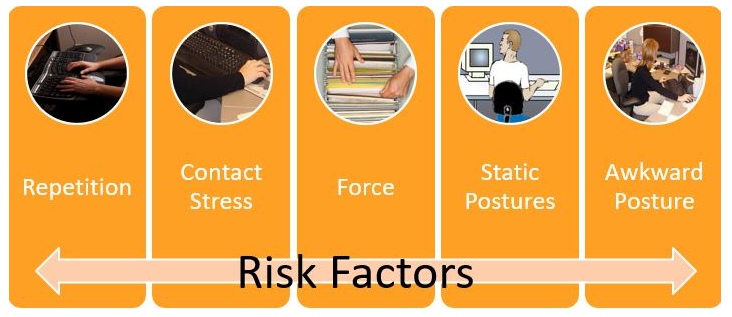
The science of ergonomics plays a crucial role in enhancing workplace productivity by optimizing the design of workspaces to fit human capabilities and limitations. Proper workspace design can prevent discomfort and reduce the risk of repetitive strain injuries, which are common in environments where employees spend long hours at desks. When a workspace is tailored to the needs of its users, it can lead to enhanced focus and better overall job performance. Studies have shown that ergonomic adjustments—such as chair height, desk layout, and keyboard placement—can significantly improve comfort levels, resulting in less fatigue and distractions throughout the workday.
Moreover, integrating ergonomic principles into workspace design not only fosters physical well-being but also contributes to mental health. An organized and comfortable workspace encourages creativity and collaboration, leading to an improved overall atmosphere within the team. Implementing elements like adjustable furniture, proper lighting, and personalized workstations can create an environment where employees feel valued and motivated. In fact, companies that invest in ergonomic improvements often see a marked increase in employee productivity and satisfaction, making ergonomics a vital consideration for any business aiming for success.
Top 10 Ergonomic Accessories for a Comfortable Work Environment
Creating a comfortable work environment is essential for productivity, and investing in the right ergonomic accessories can make a significant difference. Here are the top 10 ergonomic accessories to consider for your workspace:
- Ergonomic Chair: A chair that supports your back and promotes good posture.
- Adjustable Desk: A desk that can be raised or lowered for sitting or standing.
- Keyboard Tray: To keep your keyboard at a comfortable height.
- Mouse Pad with Wrist Support: To reduce wrist strain during use.
- Footrest: To improve your posture and comfort when sitting.
- Monitor Stand: To elevate your screen to eye level.
- Document Holder: To keep documents at eye level and minimize neck strain.
- Headset or Speakerphone: To avoid neck strain from holding phones.
- Ergonomic Pen: To reduce hand fatigue while writing.
- Stress Ball or Hand Grip: To alleviate tension in your hands and wrists.
Are You Sitting Correctly? The Impact of Posture on Your Work Performance
Are you sitting correctly? The position of your body, particularly while working at a desk, can significantly impact your overall work performance. Poor posture can lead to discomfort and fatigue, which may, in turn, distract you from tasks and reduce your productivity. Studies have shown that maintaining an ergonomic sitting position can improve your concentration levels and enhance your ability to perform complex tasks. For example, a well-aligned spine helps to facilitate better blood flow and oxygen delivery to the brain, which is crucial for optimal cognitive function.
Moreover, correct posture doesn't only benefit your physical health but also plays a vital role in your mental well-being. A confident posture can positively influence your mood and self-esteem, promoting a more proactive work attitude. To maintain good posture, consider these simple tips:
- Adjust your chair height so your feet are flat on the floor.
- Keep your monitor at eye level to avoid straining your neck.
- Take regular breaks to stretch and realign your body.