The Hidden Factors That Influence Your Grades
When it comes to academic success, many students focus solely on study habits and test preparation, but there are several hidden factors that can significantly influence your grades. One critical element is time management. The ability to prioritize tasks and allocate sufficient time for studying can make a world of difference. Students who effectively manage their time often report lower stress levels and higher academic performance. Additionally, maintaining a consistent study schedule can help reinforce learning and retention of information.
Another important factor is environment. The setting in which you study can profoundly affect your concentration and productivity. A cluttered or noisy workspace can lead to distractions, while a clean, quiet area may enhance your focus. Furthermore, the presence of social support, such as friends or family who understand your academic goals, can also influence your grades. Engaging in study groups or seeking help when needed can foster a collaborative learning environment, ultimately enhancing your educational experience.
Counter-Strike is a popular tactical first-person shooter that has captivated gamers since its inception. The game emphasizes teamwork, strategy, and skill, often placing players in intense combat situations. If you're looking for recommendations on protecting your gear while gaming, check out the Top 10 Military Grade Shockproof Cases for iPhone 17 to keep your devices safe during those thrilling matches.
How Grading Standards Vary Across Schools: What You Need to Know
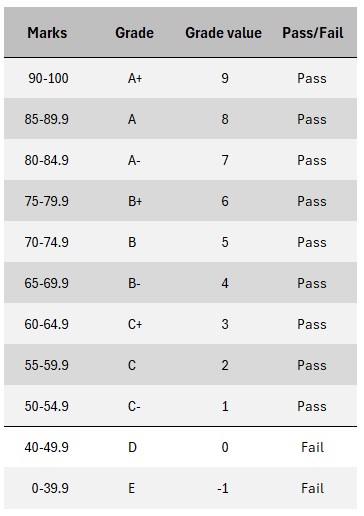
When it comes to education, grading standards can differ significantly from one school to another. This variation is influenced by factors such as district policies, the educational philosophy of each institution, and the qualifications of teaching staff. For parents and students, understanding these differences is crucial for making informed decisions. Knowing what each school expects can help students adapt their study habits and prepare effectively for assessments, ensuring they meet the specific criteria set forth in various grading systems.
Additionally, grading standards often extend beyond just letter grades; they may include the use of rubrics, performance assessments, and competency-based evaluations. It's essential for families to engage in open communication with teachers and administrators to gain insights into how grades are assigned. Transparency in grading practices allows students to understand their academic standing and identify areas needing improvement. In navigating these variances, students can enhance their educational experience and achieve their fullest potential.
Are Grades Really a Reflection of Learning?
The relationship between grades and learning is often debated among educators, students, and parents. While grades can serve as a metric for assessing academic achievement, grades do not always accurately reflect a student's comprehension or mastery of the subject material. Factors such as test anxiety, teaching methods, and grading policies can all influence a student's performance. For instance, a student may understand the material well but struggle with taking tests due to stress, resulting in a lower grade that does not truly represent their knowledge.
Moreover, grades often fail to capture the full spectrum of a student's learning experience. As grades are typically focused on summative assessments, they might overlook the significance of formative assessment strategies, such as class participation and collaborative projects. It is essential to recognize that learning occurs in various forms, and reflecting on a broader set of skills and achievements can provide a more comprehensive picture of a student's academic journey. Ultimately, while grades can be indicative of certain achievements, they should not be the sole measure of a learner's potential or understanding.