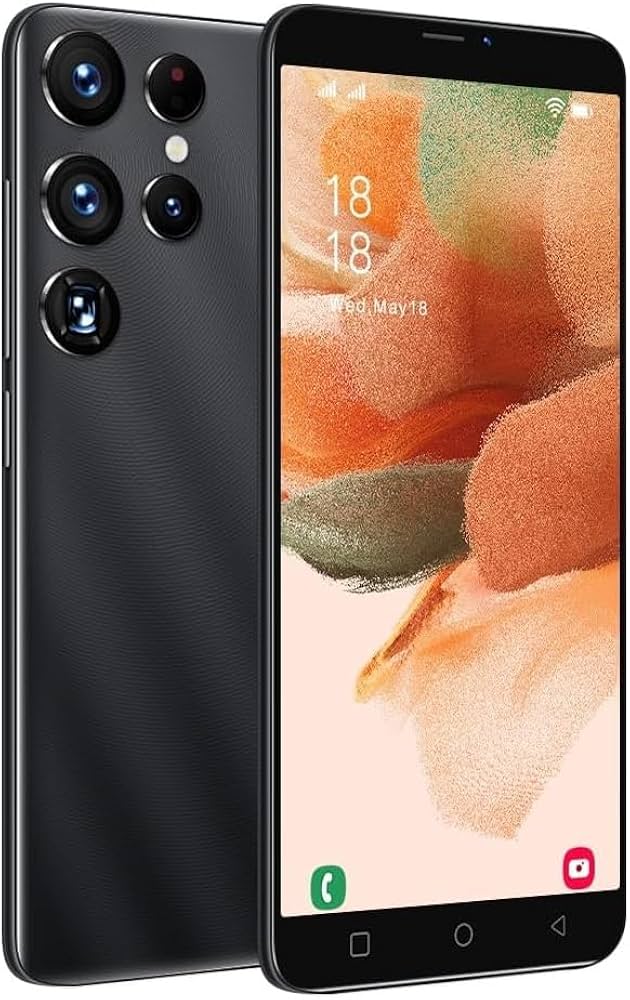
Exploring the Time-Traveling Features of Your Smartphone: A Deep Dive
Smartphones have dramatically changed the way we interact with time and technology, serving not only as communication devices but also as sophisticated tools that can help us explore the concept of time travel in various creative ways. From scheduling reminders to managing calendars, the time-traveling features of smartphones allow users to navigate through their past, present, and future commitments effortlessly. For instance, with an intuitive calendar app, you can set reminders for upcoming events or revisit past schedules, creating a seamless link between different points in time. This innovative fusion of technology and time management empowers individuals to enhance their productivity and make the most of their days.
In addition to scheduling, smartphones offer a plethora of applications designed to recount history through virtual timelines, interactive maps, and augmented reality (AR) experiences. For example, apps like Time Travel allow users to explore historical landmarks and events by overlaying digital information onto the real world. Such features not only fascinate users but also create an interactive framework that connects us with our past. As we dive deeper into the capabilities of our devices, it's increasingly evident that smartphones are more than just communication tools; they are gateways to exploring time in ways we never thought possible.
Counter-Strike is a highly popular tactical first-person shooter game that emphasizes team-based gameplay and strategy. Players can choose to take on the role of terrorists or counter-terrorists, each with distinct objectives. For gamers looking to enhance their mobile experience while gaming, check out the Top 10 iphone adjustable stands that provide adjustable support for optimal comfort. The game's competitive scene has also led to a thriving esports environment, making it a staple in the gaming community.
How Mobile Apps Are Shaping Our Perception of Time
In today's fast-paced digital world, mobile apps play a crucial role in shaping our perception of time. With instant access to information, entertainment, and communication, these apps create the illusion of time being more abundant than it is. For instance, social media platforms like Instagram or TikTok allow users to consume countless hours of content in just a few scrolling motions. As we lose ourselves in a sea of notifications and updates, our ability to gauge how much time has passed becomes skewed, leading to a phenomenon known as time distortion.
Moreover, productivity apps aim to help us manage our schedules more efficiently, further impacting our perception of time. With tools that track our tasks, reminders, and project timelines, we often find ourselves attempting to fill every minute with productive activities. While this can enhance our efficiency, it can also create a sense of urgency and overwhelm. The constant push for productivity may lead to burnout, making us feel as though time is slipping away, yet paradoxically, our dependence on these apps can also lead to procrastination, distorting our relationship with time even more.
Is Your Phone a Portal to the Past? Understanding Digital Memories
In an era where smartphones are ubiquitous, it's fascinating to consider how they serve as portals to the past. Each photo, message, and video saved on our devices creates a rich tapestry of digital memories, allowing us to relive experiences long after they've occurred. These digital artifacts not only capture moments in time but also evoke powerful emotions and nostalgia. For example, scrolling through a photo gallery can instantly transport you back to a cherished vacation or a memorable family gathering, showcasing how technology bridges our past with the present.
However, while our phones are valuable tools for preserving memories, they also raise questions about the nature of nostalgia and how we interact with these digital keepsakes. Are we becoming too reliant on technology to generate reminiscence, losing the authenticity of memory as we carve out our personal histories in bits and bytes? It might be worth reflecting on how we curate our digital memories and whether we are using our devices to enhance or dilute our emotional experiences. Embracing a balance between physical mementos and digital records might offer a more holistic view of our pasts, suggesting that our phones are not just portals to the past, but also gateways to a deeper understanding of ourselves.