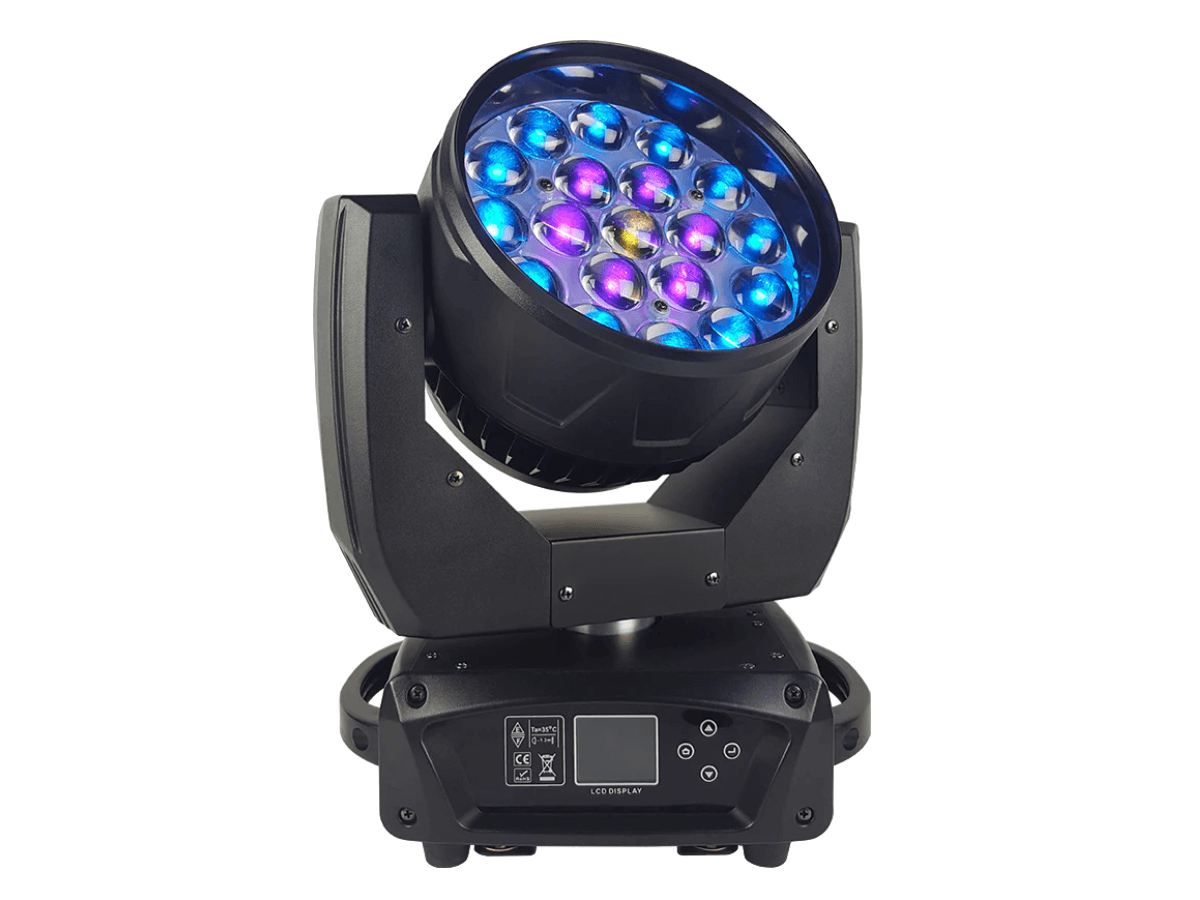
The Psychology of Color: Understanding How Lighting Affects Your Emotions
The psychology of color reveals how different hues can significantly influence our emotions and perceptions. Colors are not merely visual phenomena; they also evoke feelings and actions. For instance, warm colors like red and yellow are often associated with energy and excitement, while cooler tones such as blue and green tend to invoke calmness and tranquility. Additionally, the lighting in which colors are displayed can amplify their emotional impact. Bright lighting might enhance the vibrancy of a color, while dim lighting could dim its intensity, potentially altering the way we feel about it.
Understanding how lighting affects your emotions can transform your living spaces or work environments. For example, a room painted in a soft blue may create a serene atmosphere during the day when bathed in natural light, but under artificial lighting, it might appear stark and uninviting. To create a balanced emotional environment, consider using different types of lighting to complement the colors in your space. Implementing warm white lights can make a vibrant color scheme feel cozy, while cool lighting can enhance a space painted in calming colors. This thoughtful approach can help foster the desired emotions you wish to evoke in your surroundings.
Counter-Strike is a popular first-person shooter game that has become a staple in competitive gaming. Players are divided into two teams: terrorists and counter-terrorists, each with their own objectives. The game has a thriving community and numerous tournaments, and many players enhance their gaming experience with various accessories, such as the Top 10 iPhone accessories for creators. With its strategic gameplay and teamwork elements, Counter-Strike remains a favorite among gamers worldwide.
Bright vs. Dim: How Different Lighting Settings Influence Your Mood
Lighting plays a crucial role in shaping our environment and can significantly influence our mood and well-being. Bright lighting settings are often associated with increased energy and alertness, making them ideal for workspaces or areas where productivity is key. Studies have shown that exposure to bright light can stimulate the release of serotonin, a hormone that contributes to feelings of happiness. In contrast, dim lighting is often linked to relaxation and calmness, creating an atmosphere that fosters introspection. This type of lighting is perfect for unwinding after a long day or setting a cozy ambiance during a gathering with friends.
Understanding the effects of light on our emotions can help us create spaces that enhance our quality of life. Bright environments can motivate us to be more active, while dim settings can promote restfulness and tranquility. When designing your home or workspace, consider implementing adjustable lighting options to cater to various moods and activities. For instance, installing dimmers or using warm-colored bulbs can transform a stark room into a soothing haven when needed. Ultimately, the choice between bright and dim lighting should reflect not only personal preference but also the specific emotional atmosphere you wish to cultivate.
Can Lighting Change Your Mood? Exploring the Connection Between Light and Emotion
Lighting plays a significant role in shaping our emotional responses and overall mood. Various studies have suggested that light exposure affects the production of hormones like serotonin, which is linked to feelings of happiness and well-being. For instance, bright, natural light can stimulate alertness and improve focus, while dim, soft lighting may create a calm and relaxed atmosphere. Can lighting change your mood? The answer lies in how different lighting conditions influence our emotions, whether it be through natural sunlight during the day or the warm glow of lamps in the evening.
Moreover, the color of light can have distinct impacts on mood. Warm tones, like those from incandescent bulbs, are often associated with coziness and comfort, making them ideal for living spaces aimed at relaxation. Conversely, cooler tones can evoke feelings of energy and productivity, making them suitable for work environments. Additionally, studies have shown that exposure to bright, blue-enriched light during the day can enhance alertness and possibly reduce feelings of depression. Thus, understanding the connection between light and emotion can empower us to create spaces that foster the desired emotional climate.