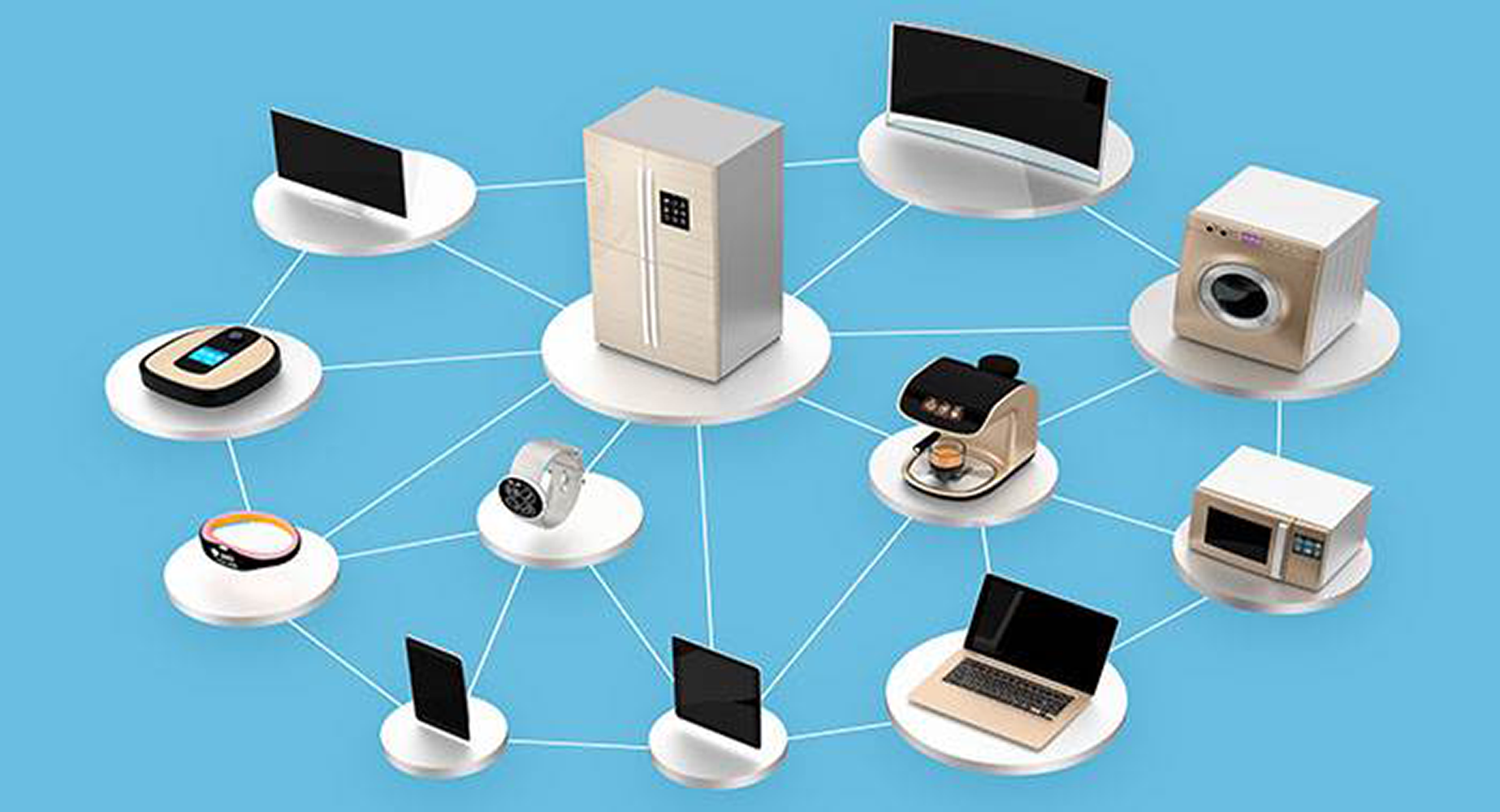
How Smart Devices are Revolutionizing Home Management
In today's fast-paced world, smart devices are rapidly changing the way we manage our homes. With the rise of the Internet of Things (IoT), homeowners can now control various aspects of their living spaces remotely, leading to more efficient energy use and enhanced convenience. Devices such as smart thermostats, lights, and security cameras allow users to monitor and adjust settings from their smartphones, creating a more connected and responsive environment. As a result, homeowners not only enjoy greater peace of mind but also experience significant cost savings on energy bills.
The adoption of smart home technology is also transforming traditional home management practices. For instance, automated systems can streamline daily routines, such as scheduling when to water plants or setting up reminders for household chores. Moreover, voice-activated assistants can help manage tasks hands-free, making it easier to multitask. In addition, as smart devices integrate with each other, users can create customized scenarios that cater to their lifestyles, further enhancing home automation. Overall, these innovations are not just about convenience; they are redefining what it means to manage a home effectively.
Counter-Strike is a popular multiplayer first-person shooter game where players assume the roles of either terrorists or counter-terrorists, competing to complete objectives or eliminate the opposing team. Its tactical gameplay and team coordination have made it a favorite in the esports community. If you're looking for gift ideas for a gamer, check out these Top 10 Tech Gifts Under 100.
The Hidden Benefits of Smart Devices in Daily Life
Smart devices have seamlessly integrated themselves into our daily routines, offering a plethora of hidden benefits that often go unnoticed. One of the most significant advantages is their ability to enhance productivity. For instance, smart home assistants can manage your schedule, set reminders, and even help streamline household tasks. When you can control your lights, thermostat, and appliances with just your voice or a tap on your smartphone, you not only save time but also make your living space more efficient. This efficiency translates into less stress and allows for a greater focus on what truly matters in your life.
Another overlooked benefit of smart devices is their role in promoting sustainability. Many smart devices are designed to monitor energy consumption, helping users become more aware of their usage patterns and encouraging energy-saving habits. For example, smart thermostats can learn your schedule and adjust heating and cooling accordingly, resulting in lower energy bills and a reduced carbon footprint. Additionally, smart appliances can optimize their operations to minimize waste, making them an essential part of a greener lifestyle.
Are Smart Devices Worth the Hype? Exploring Their Real-World Impact
In today's fast-paced world, smart devices have become increasingly prominent, capturing the attention of consumers and tech enthusiasts alike. With promises of enhanced convenience, connectivity, and a streamlined lifestyle, many wonder: are these devices genuinely worth the hype? From smart speakers that can play your favorite music on command to smart thermostats that optimize energy consumption, the real-world impact of these technologies is noteworthy. According to recent studies, users report a significant improvement in their daily routines, emphasizing how smart devices can simplify tasks and offer a newfound level of efficiency.
However, despite the undeniable benefits, potential buyers should also consider certain drawbacks. The integration of smart technology into daily life often raises concerns about privacy and security. For instance, many smart devices collect user data to improve performance, which can lead to unwanted exposure of personal information if not handled properly. Additionally, the reliance on technology can sometimes result in connectivity issues or functional limitations if the devices do not sync seamlessly. Thus, it’s essential to weigh both the advantages and disadvantages before fully embracing the smart device revolution.