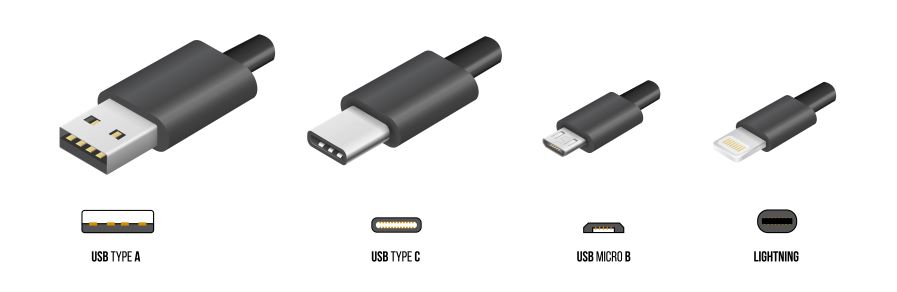
The Evolution of USB-C: From Legacy Connectors to Universal Charging
The evolution of USB-C represents a significant milestone in the world of technology, transitioning from legacy connectors to a universal standard. Initially, devices were equipped with a myriad of ports including USB-A, USB-B, and micro-USB, each requiring different cables and adapters. This created an environment where users often struggled with compatibility issues, leading to frustration and confusion. With the introduction of USB-C in 2014, a new era began. This versatile connector was designed to be reversible, meaning users no longer had to fumble to plug in the cable correctly, and it supports faster data transfer rates and increased power delivery.
Not only has USB-C simplified connections, but it has also paved the way for universal charging. This standardization means that a single charger can power various devices, from smartphones and laptops to tablets and accessories. As more manufacturers adopt USB-C, consumers benefit from reduced cable clutter and enhanced charging efficiency. According to recent studies, the adoption of USB-C can lead to a remarkable decrease in electronic waste, as fewer proprietary chargers are required. Ultimately, the evolution of USB-C highlights a significant shift towards a more integrated and sustainable future in technology.
Counter-Strike is a popular multiplayer first-person shooter game that has captivated gamers since its release. Players can engage in intense team-based matches, where they can choose to be part of the terrorist or counter-terrorist teams. For those looking to enhance their gaming experience, check out the Top 10 MacBook Accessories for Office that can help improve your setup.
5 Reasons Why USB-C is the Future of Technology
USB-C has rapidly gained popularity in the technology landscape, making it an essential component for modern devices. One of the primary reasons USB-C is the future of technology is its versatility. Unlike traditional USB connectors, which were designed for specific purposes, USB-C cables can transfer data, power devices, and even transmit video signals all through a single port. This multifaceted functionality simplifies the user experience, reducing the clutter of multiple cables while ensuring compatibility across a wide range of devices.
Another significant advantage of USB-C is its increased power delivery capacity. With advancements in power transfer technology, USB-C can deliver up to 100 watts of power, meaning it can charge everything from smartphones to laptops quickly and efficiently. This capability not only enhances convenience but also supports the trend toward compact and lightweight devices. As technology continually evolves, the need for robust and adaptable charging solutions may firmly establish USB-C as the standard connector in the coming years.
How USB-C Simplifies Charging: FAQs and Insights
USB-C has emerged as a game-changer in the realm of charging solutions, making it simpler than ever to power up devices. With its reversible design, users can plug in the connector either way, removing the frustration often associated with traditional USB connectors. Beyond ease of use, USB-C supports fast charging capabilities, enabling users to charge their devices more quickly than previous USB standards. This versatility allows a single cable to charge smartphones, tablets, laptops, and even some household devices, streamlining the charging process and reducing clutter.
To address common questions, here are a few FAQs regarding USB-C charging:
- Is USB-C compatible with my devices? Most modern devices, including Android smartphones, laptops, and tablets, are increasingly adopting the USB-C standard.
- Can I use any USB-C charger? While it's ideal to use the charger that comes with your device, many USB-C chargers are compatible due to standardized specifications. However, for fast charging, ensure the charger supports the appropriate wattage.
- Does USB-C support data transfer? Yes, USB-C can handle data transfer at high speeds, making it an excellent choice for anyone who frequently transfers files between devices.