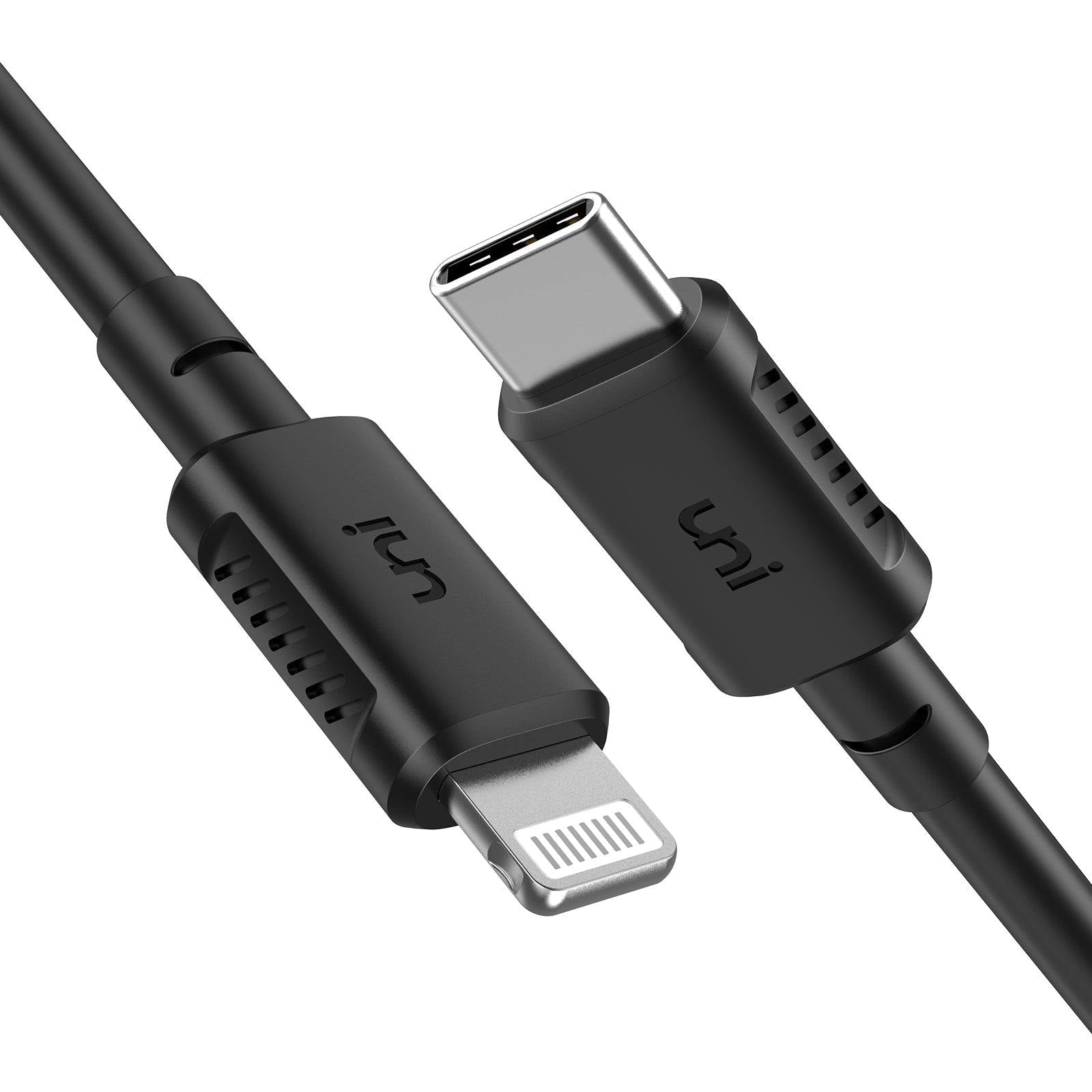
Understanding USB-C: Benefits and Features of the Next-Gen Connector
USB-C has rapidly emerged as the next-generation standard for data transmission and charging across various devices. Unlike its predecessors, USB-C connectors are reversible, meaning users can plug them in either way, eliminating frustration and ensuring a more user-friendly experience. This versatility allows for faster data transfer rates, with capabilities of up to 10 Gbps or even 40 Gbps in some cases, making it ideal for transferring large files such as high-resolution videos and high-resolution images. Moreover, the USB-C standard supports a wide range of devices, from smartphones and laptops to peripherals like monitors and docks, facilitating greater interoperability.
Another significant advantage of USB-C is its ability to deliver power efficiently. With Power Delivery (PD)100 watts of power, allowing for rapid charging of large devices such as laptops. This feature makes it not only a connection standard but also a comprehensive solution for powering multiple devices through a single cable. Additionally, USB-C supports various protocols, allowing users to connect diverse peripherals without needing multiple types of connectors. This innovation is redefining how we connect and charge our devices, making USB-C a crucial component of the future of technology.
Counter-Strike is a popular first-person shooter video game that emphasizes team-based gameplay and strategy. Players can choose to join either the terrorist or counter-terrorist team, engaging in various objectives, such as planting or defusing bombs, or rescuing hostages. With its competitive nature, many players seek to improve their gameplay and setups, which is why they often look for Top 10 fast chargers for iPhone to enhance their gaming experience.
How USB-C Is Revolutionizing Your Tech Devices
USB-C is quickly becoming the universal standard for connecting and powering a wide range of tech devices. Unlike its predecessors, USB-C offers remarkable versatility, allowing data transfer, power delivery, and video output through a single cable. This innovation means you can carry fewer cables and adapters, simplifying your tech setup significantly. As more manufacturers adopt this standard, users can expect greater compatibility between devices, whether it’s charging your smartphone, connecting a laptop to a monitor, or powering peripherals. In a world where efficiency is key, USB-C is leading the charge toward a more streamlined experience.
The benefits of USB-C extend beyond just convenience; they also include enhanced performance. With the ability to transfer data at speeds reaching up to 40 Gbps, you can move large files in mere seconds. Additionally, the power delivery capability can supply up to 100 watts—enough to charge even the most power-hungry devices, like laptops and tablets. As this technology continues to develop, it is expected that USB-C will further dominate the landscape of tech devices, creating a unified ecosystem that empowers users to maximize their productivity and connectivity. Embracing this technology means being part of a revolutionary shift in the way we interact with our devices.
Frequently Asked Questions About USB-C: What You Need to Know
USB-C has rapidly become the standard for connectivity across a wide range of devices, but many users still have questions about its features and functionality. One common query is whether USB-C is compatible with older USB devices. The answer is yes—with the appropriate adapters, you can connect USB-C devices to older USB standards (like USB-A and USB-B). Additionally, many consumers wonder about the benefits of using USB-C. Not only does it offer faster data transfer speeds and improved power delivery, but its reversible design also ensures that users can plug it in easily, eliminating the frustration of misalignment.
Another frequently asked question pertains to the differences between USB-C and other USB types, such as USB 3.0 and USB 3.1. It's important to note that USB-C refers specifically to the connector type, while USB 3.0 and USB 3.1 refer to the data transfer protocols that can be used with it. For example, USB 3.1 can be used with USB-C connectors to achieve faster speeds of up to 10 Gbps. As you consider upgrading your devices or accessories, it’s crucial to ensure that you're not just looking at the connector type but also at the speed capabilities brought by the different protocols associated with USB-C.