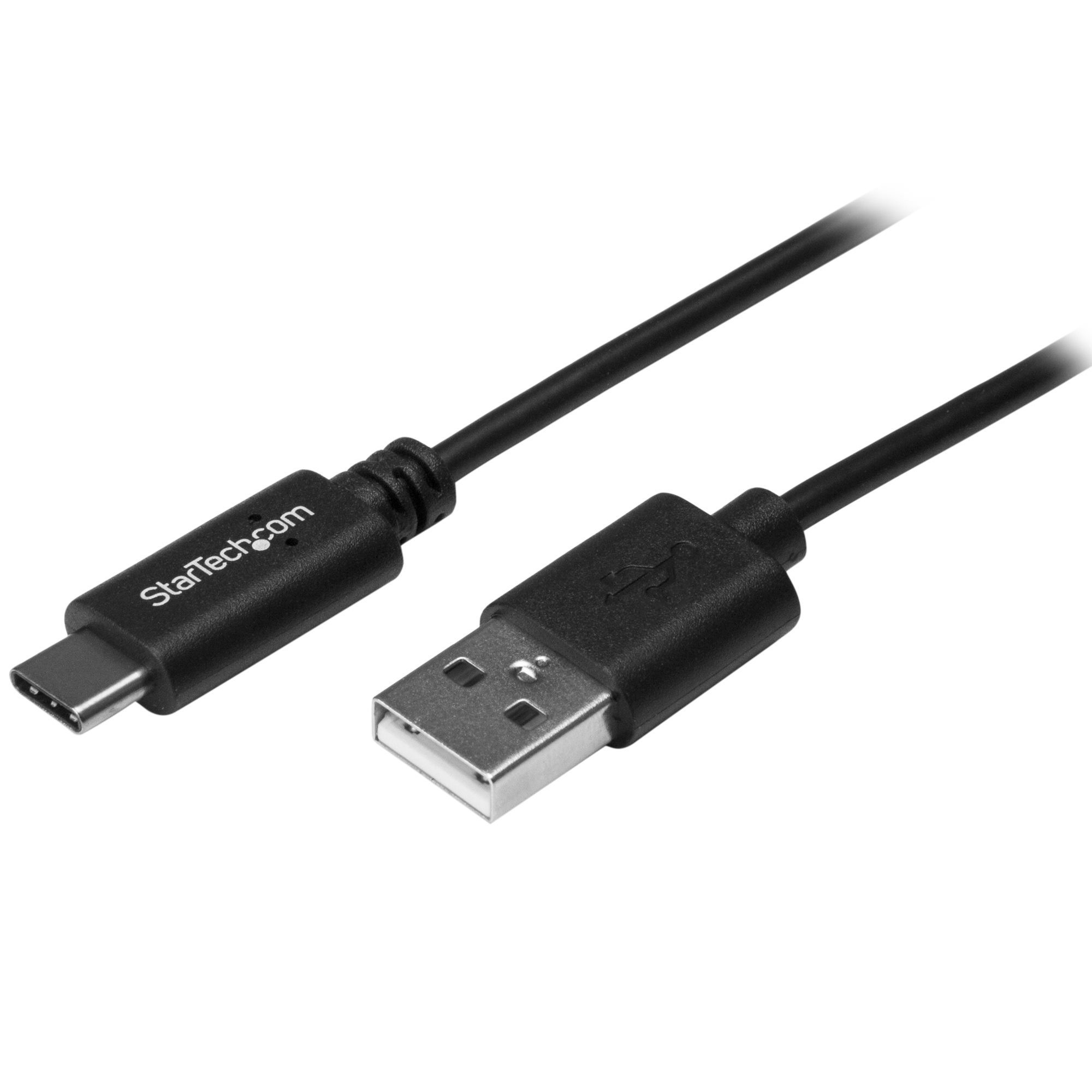
Understanding USB Type C: Key Features and Benefits for Modern Devices
The USB Type C connector has revolutionized the way we connect and charge our devices. Unlike its predecessors, this versatile port features a reversible design that allows users to plug it in either way, eliminating the frustration of fumbling in the dark. One of the key features of USB Type C is its ability to support higher data transfer speeds, reaching up to 10 Gbps with USB 3.1 and even faster with upcoming standards. Additionally, it provides a higher power output of up to 100 watts, enabling faster charging for smartphones, laptops, and other gadgets.
In terms of benefits, the adoption of USB Type C simplifies connectivity across a wide array of devices. From smartphones and tablets to laptops and peripherals, this single port standard accommodates various functionalities. Users can connect everything from external displays to storage devices using the same cable. As a result, USB Type C not only reduces clutter but also enhances compatibility across gadgets, paving the way for a more streamlined and efficient tech ecosystem. With its growing prevalence in modern devices, understanding USB Type C is essential for anyone looking to stay updated in today's tech-savvy world.
Counter-Strike is a popular first-person shooter game that has become a staple in competitive gaming. Players are divided into two teams, terrorists and counter-terrorists, and must work together to complete objectives, such as planting or defusing bombs. For gamers looking for the best accessories, check out the Top 10 Android Charging Cables to enhance their gaming experience.
How USB Type C is Revolutionizing Connectivity: A Deep Dive
USB Type C is rapidly transforming the landscape of connectivity, acting as a universal standard that simplifies the way we connect our devices. Unlike its predecessors, USB Type C features a reversible design, meaning it can be plugged in either way, enhancing user convenience. As more devices adopt this versatile port, we are witnessing a convergence of functionalities; USB Type C not only facilitates data transfer but also serves as a power source. This means that a single cable can charge laptops, smartphones, and peripherals, thereby reducing clutter and streamlining our technological experience.
The impact of USB Type C extends beyond mere convenience. It supports faster data transfer rates, reaching up to 40 Gbps with Thunderbolt 3 compatibility, and can deliver power output up to 100 watts, allowing for rapid charging of even high-capacity devices. Additionally, this technology enhances multimedia experiences by allowing video output in high resolutions such as 4K and beyond. As industries evolve towards more efficient tech solutions, embracing USB Type C is not just a trend but a necessity for future-proofing our devices and ensuring seamless interoperability.
Is USB Type C the Future of Charging? Common Questions Answered
The rise of USB Type-C has sparked considerable discussion about its potential as the future of charging technology. With its reversible design, high data transfer rates, and ability to deliver power up to 100W, it's no wonder that many devices, from smartphones to laptops, are adopting this universal standard. USB Type-C is not just a trend; it represents a shift towards a more streamlined and efficient charging experience. As manufacturers increasingly support this technology, several common questions arise about its advantages, compatibility, and overall impact on how we charge our devices.
One frequently asked question is, 'Is USB Type-C compatible with my existing devices?' The answer is both yes and no. While many new devices come equipped with USB Type-C ports, adapters are available that allow users to connect older devices with traditional USB ports. Additionally, how does USB Type-C compare to its predecessors? Its ability to deliver faster charging and higher power levels means less time tethered to an outlet, marking a significant improvement over previous USB standards. As technology continues to evolve, USB Type-C appears poised to become the standard for future charging solutions.