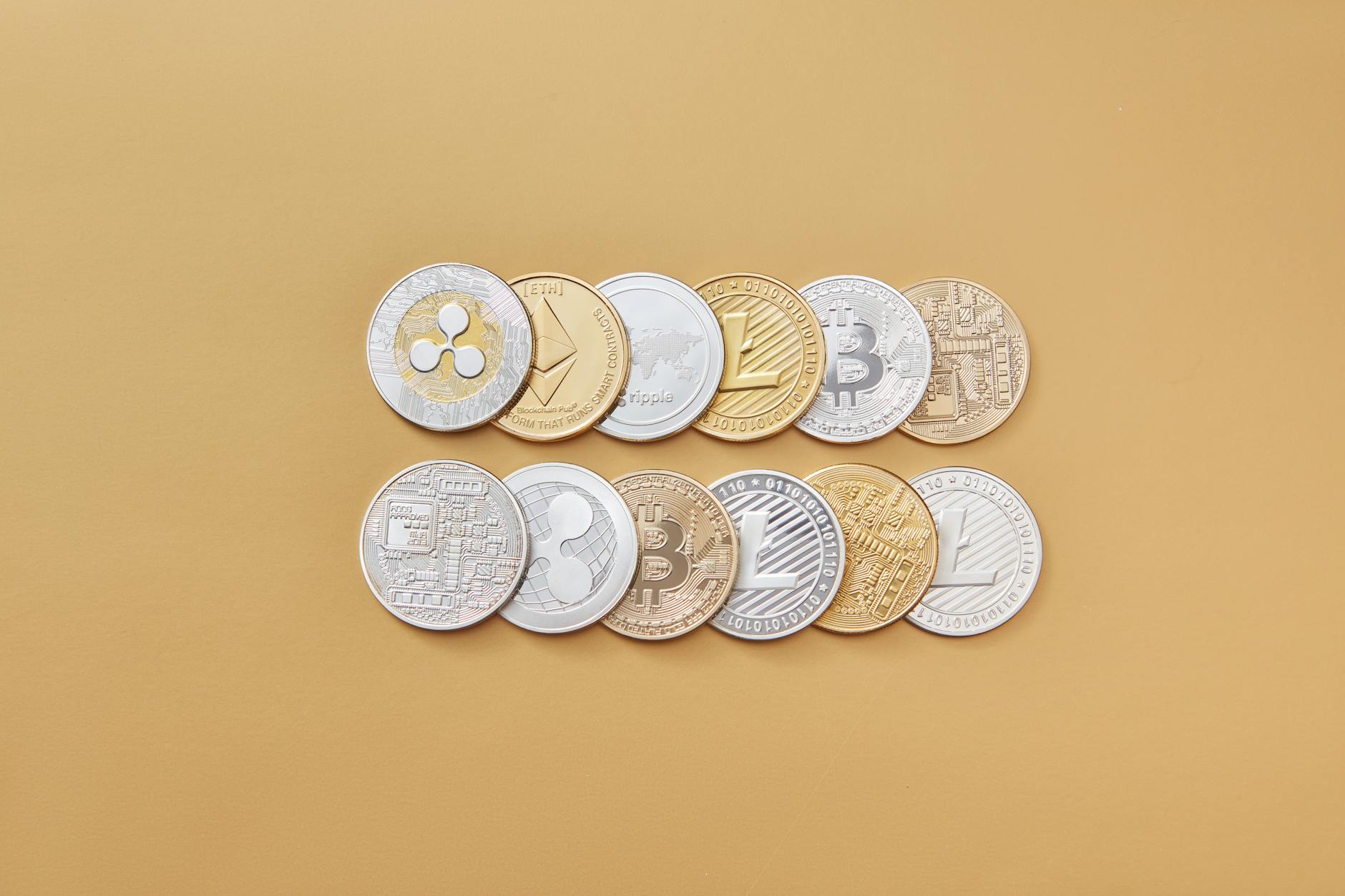
Cracking the Code: What Even *Is* a Crypto Wallet and Why Do I Need One? (Explainer, FAQs & Dispelling Myths)
So, you've heard the buzz about Bitcoin, NFTs, and the decentralized future, but then someone mentions a 'crypto wallet' and suddenly it feels like you need a degree in cryptography. Fear not! At its core, a crypto wallet isn't a physical wallet like the one in your back pocket. Instead, it's a software application or hardware device that allows you to store the private keys necessary to access and manage your digital assets on a blockchain. Think of it less as a bank account and more like a secure key ring for your digital valuables. Without these keys, your cryptocurrency remains inaccessible, effectively locked away on the blockchain. This fundamental understanding is crucial for anyone venturing into the world of digital finance, as it directly impacts your ability to securely interact with and control your investments.
Understanding *why* you need a crypto wallet boils down to control and security. Unlike traditional banking where institutions hold your funds, with cryptocurrency, you are your own bank. A crypto wallet empowers you with this responsibility by giving you sole access to your private keys. This means no central authority can freeze your assets or dictate how you use them. Furthermore, wallets offer various levels of security, from user-friendly software wallets for everyday transactions to robust hardware wallets for long-term storage of significant holdings. Dispelling the myth that wallets *store* your crypto (they only store the keys!), we'll delve into the different types, their pros and cons, and answer your most pressing FAQs. Without a wallet, participating in the crypto economy is simply impossible, making it the foundational step for any digital asset journey.
Decentralized betting platforms leverage blockchain technology to offer a transparent and secure way to place wagers. These platforms remove the need for traditional intermediaries, allowing for peer-to-peer betting and often featuring lower fees and faster payouts. The rise of decentralized betting is transforming the online gambling industry by providing enhanced privacy and censorship resistance for users worldwide.
Your First Decentralized Dive: Setting Up, Securing, and Sending with Your Crypto Wallet (Practical Guide & Common Pitfalls)
Embarking on your decentralized journey begins with a crucial first step: choosing and setting up your crypto wallet. This isn't just a digital purse; it's your secure gateway to the blockchain. We'll explore two primary types: software wallets (like MetaMask or Trust Wallet, offering convenience and accessibility through browser extensions or mobile apps) and hardware wallets (such as Ledger or Trezor, providing superior security through physical isolation for your private keys). The setup process typically involves generating a seed phrase – a sequence of 12-24 words – which is your ultimate recovery key. Never share this phrase and store it offline, preferably in multiple secure locations! Understanding the nuances of each wallet type is paramount to ensuring your digital assets remain safe and accessible.
Once your wallet is set up, securing it becomes your ongoing responsibility. This involves more than just a strong password. We'll delve into best practices like enabling Two-Factor Authentication (2FA) where available, regularly updating your wallet software, and being hyper-vigilant against phishing attempts. Learning to confidently send and receive cryptocurrency is also vital. This includes understanding transaction fees (gas fees on Ethereum, for example), verifying recipient addresses meticulously (a single wrong character can lead to irreversible loss), and familiarizing yourself with different blockchain networks. We'll also highlight common pitfalls, such as falling for 'too good to be true' investment schemes or interacting with unverified smart contracts, empowering you to navigate the decentralized landscape with confidence and minimize risk.