How 5G Technology is Redefining Connectivity in Our Daily Lives
The advent of 5G technology is revolutionizing the way we connect and communicate in our daily lives. With its lightning-fast speeds, enhanced bandwidth, and minimal latency, 5G is set to transform various sectors, from healthcare to entertainment. For instance, telemedicine is gaining traction as remote consultations can be conducted with high-definition video, allowing doctors to diagnose and treat patients from anywhere in the world. Furthermore, the rapid transmission of data enables seamless streaming of high-quality content, making it easier for users to enjoy immersive experiences, such as virtual reality (VR) and augmented reality (AR).
Moreover, the impact of 5G extends beyond individual users as it fosters smart city initiatives and interconnected devices. With the Internet of Things (IoT) becoming more prevalent, cities can utilize 5G technology to implement intelligent infrastructure, enhancing public safety, traffic management, and energy efficiency. As more devices connect to the network, the potential for automation and data-driven decision-making increases, paving the way for a more efficient and sustainable future. Thus, it is undeniable that 5G technology is not just a leap in connectivity but a catalyst for innovation in our daily lives.
Counter-Strike is a popular team-based first-person shooter that has garnered a massive following since its initial release. Players join either the terrorist or counter-terrorist team to complete objectives or eliminate the opposing side. For those looking to enhance their mobile gaming experience, check out the Top 10 iphone 17 pro accessories that can provide better controls and graphics on the go.
The Rise of IoT: How Wireless Connectivity is Shaping Smart Homes
The Internet of Things (IoT) has drastically transformed the way we interact with our home environments. With the advent of advanced wireless connectivity, smart homes are no longer a futuristic concept; they are a reality today. Devices ranging from smart thermostats to security cameras are now interconnected, allowing homeowners to control and monitor their environments with ease. According to recent studies, the global smart home market is projected to reach over $300 billion by 2026, highlighting the growing consumer interest in these technologies.
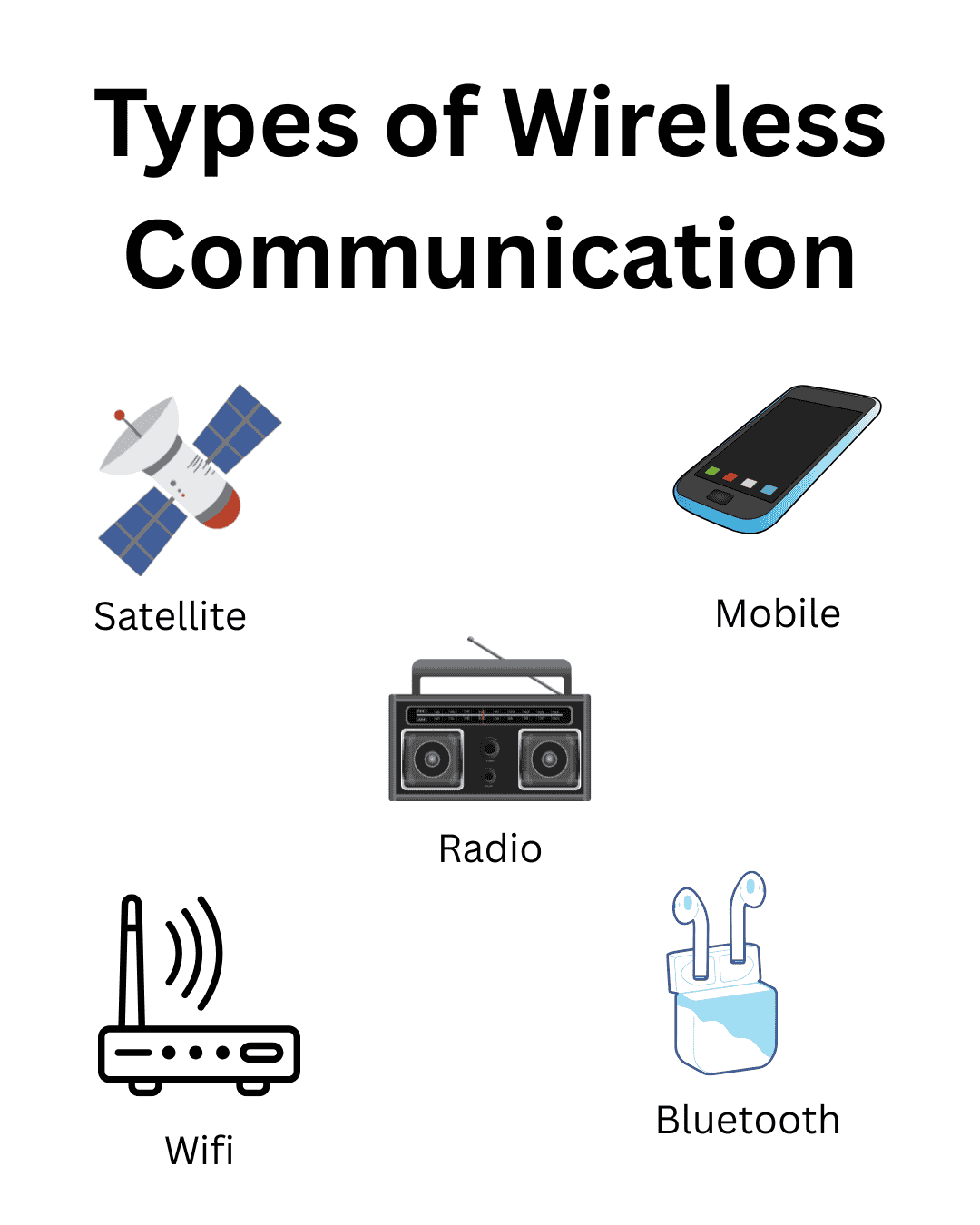
One of the key components driving this growth is the proliferation of wireless technologies such as Wi-Fi, Bluetooth, and Zigbee. These technologies enable seamless communication between devices, facilitating automation and enhancing user experience. For instance, a smart hub can link various devices, allowing a homeowner to program their lights, heating, and security systems to function in harmony. As consumers become increasingly aware of the benefits of IoT, it’s evident that wireless connectivity is not just shaping smart homes; it’s revolutionizing how we live, making our homes more efficient, secure, and enjoyable.
What to Expect from the Future of Wi-Fi: Innovations and Challenges Ahead
As we move further into the digital age, the future of Wi-Fi technology promises significant innovations that will enhance connectivity and user experience. One of the most anticipated advancements is the rollout of Wi-Fi 6E, which operates on the 6 GHz band, offering faster speeds and improved performance, especially in high-density environments. This new standard will allow for more devices to connect simultaneously without sacrificing bandwidth. Key features include increased efficiency, reduced latency, and enhanced security, making it ideal for smart homes and businesses alike.
However, the journey towards a seamless Wi-Fi future isn't without its challenges. As more devices become connected through the Internet of Things (IoT), the demand for bandwidth will skyrocket, raising concerns about network congestion and potential security vulnerabilities. Additionally, regulatory hurdles related to spectrum allocation and geopolitical factors may impact global Wi-Fi deployment. These challenges necessitate ongoing innovation and collaboration among technology providers, policymakers, and users to ensure a robust and secure Wi-Fi ecosystem in the years to come.