The Evolution of Wireless Technology: How Untethered Connections Are Changing Our Lives
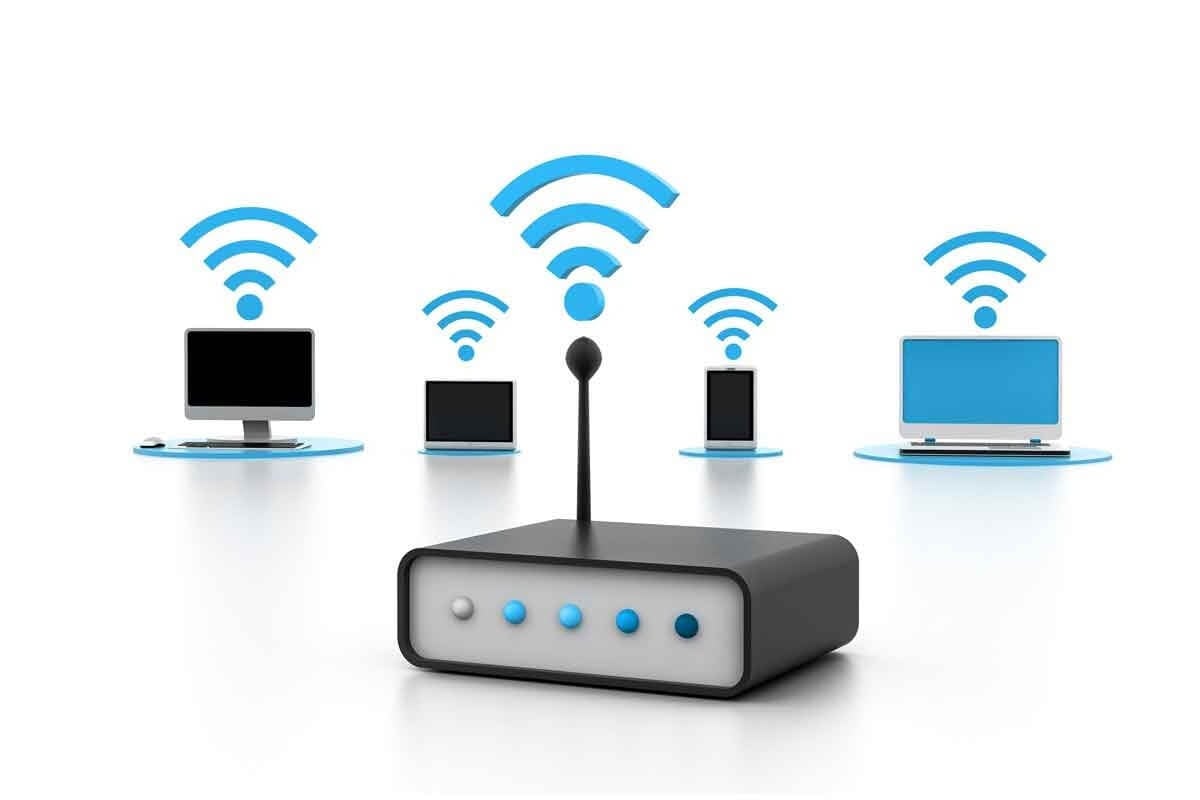
The evolution of wireless technology has fundamentally transformed communication and connectivity in our daily lives. From the early days of analog radio waves to today’s sophisticated 5G networks, the journey of untethered connections has paved the way for unparalleled convenience and speed. Consumer devices, such as smartphones and tablets, have become an integral part of our existence, allowing us to access information and connect with others at lightning speed. With the rise of smart homes and IoT (Internet of Things), our everyday appliances are now seamlessly integrated into our wireless networks, enhancing efficiency and user experience.
Moreover, wireless technology is not only reshaping personal communication but is also revolutionizing industries. For instance, in sectors like healthcare, remote monitoring and telemedicine are facilitated by reliable wireless connections. According to recent studies, this not only improves patient outcomes but also reduces operational costs for healthcare providers. As we look to the future, we can expect wireless technology to continue evolving, integrating advanced capabilities such as artificial intelligence and edge computing, further amplifying its impact on society. In this era of connectivity, it’s crucial to keep an eye on how untethered connections continue to enhance our lives.
Counter-Strike is a highly popular first-person shooter game that pits teams of terrorists against counter-terrorists in objective-based gameplay. It has a rich history and has evolved through various versions, offering players strategic gameplay and a competitive atmosphere. If you’re looking for an essential accessory for your AirPods, check out the Top 10 Hard Shell Cases for AirPods to keep them safe while you immerse yourself in the action.
Exploring the Benefits of Wireless Connectivity in Everyday Devices
In today's fast-paced world, wireless connectivity has become an essential feature in everyday devices, transforming how we interact with technology. From smartphones to smart home appliances, the ability to connect without cumbersome wires allows for greater flexibility and convenience. This shift to wireless solutions not only enhances user experience but also promotes a cleaner, more organized living environment. Imagine a home where your lights, thermostat, and security system communicate effortlessly, all without the clutter of tangled cords.
Additionally, the benefits of wireless connectivity extend beyond mere convenience. It fosters innovation, enabling the growth of the Internet of Things (IoT), where devices can share data and work together seamlessly. For instance, in a smart kitchen, your refrigerator can monitor food supplies and alert you when items are running low, while your smart oven can be remotely preheated while you're on your way home. Such integrations not only save time but also contribute to energy efficiency and resource management, showcasing how wireless technology is revolutionizing our daily lives.
Is a Wireless Future Sustainable? Addressing Concerns and Misconceptions
The shift towards a wireless future has sparked considerable debate regarding its sustainability. Critics often point to the environmental impact of the digital infrastructure required for wireless technology, including the energy consumed by data centers and the significant resources needed for device manufacturing. However, proponents argue that the benefits of wireless connectivity can ultimately lead to more efficient energy usage in the long run. For instance, wireless networks can facilitate smart technology solutions that optimize energy consumption in homes and businesses, thus contributing to broader sustainability goals.
Moreover, misconceptions about wireless technology often overshadow the potential it has to drive sustainable practices. Many fear that the electromagnetic radiation emitted by wireless devices may have negative health effects, yet research has consistently shown that the levels produced are well within safety guidelines set by global health authorities. Additionally, by reducing the need for physical infrastructure, such as wiring and cables, the wireless future could decrease material waste and the carbon footprint associated with traditional connectivity solutions. Embracing this transition requires addressing these myths while emphasizing the real-world benefits it brings to sustainability efforts.